
The Center supports interdisciplinary scholarly research on the legal and public policy issues that relate to environmental justice as a domestic and global challenge.
The Environmental and Climate Justice Center
About the Environmental and Climate Justice Center
Through research, education, community support and advocacy, the Howard University School of Law Environmental and Climate Justice Center (the Center) engages the struggle for environmental justice at the local, national, and international levels.
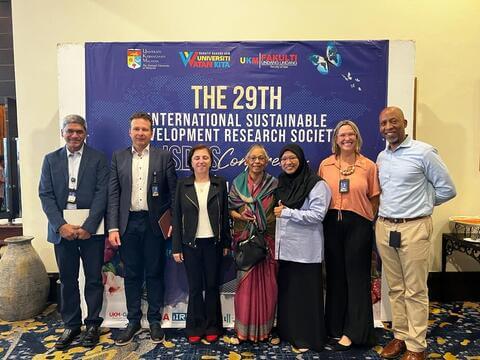
Research
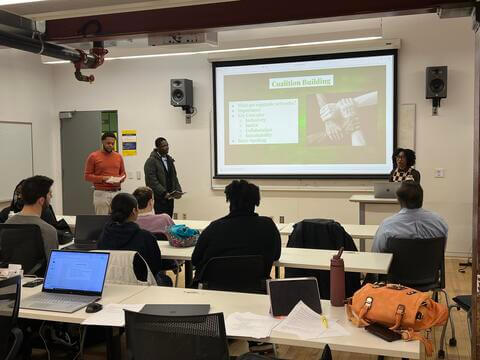
Education
The Center brings together scholars, activists, practitioners, and governmental officials to raise community awareness of environmental injustices and their causes and remedies.
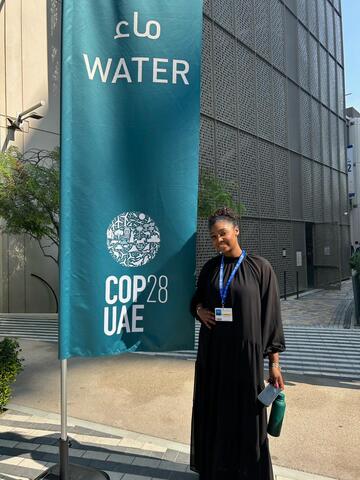
Community Support & Advocacy
Drawing upon student, faculty, and practitioner expertise, the Center supports communities facing environmental hardships and serves as a resource for communities facing environmental assaults and challenges.
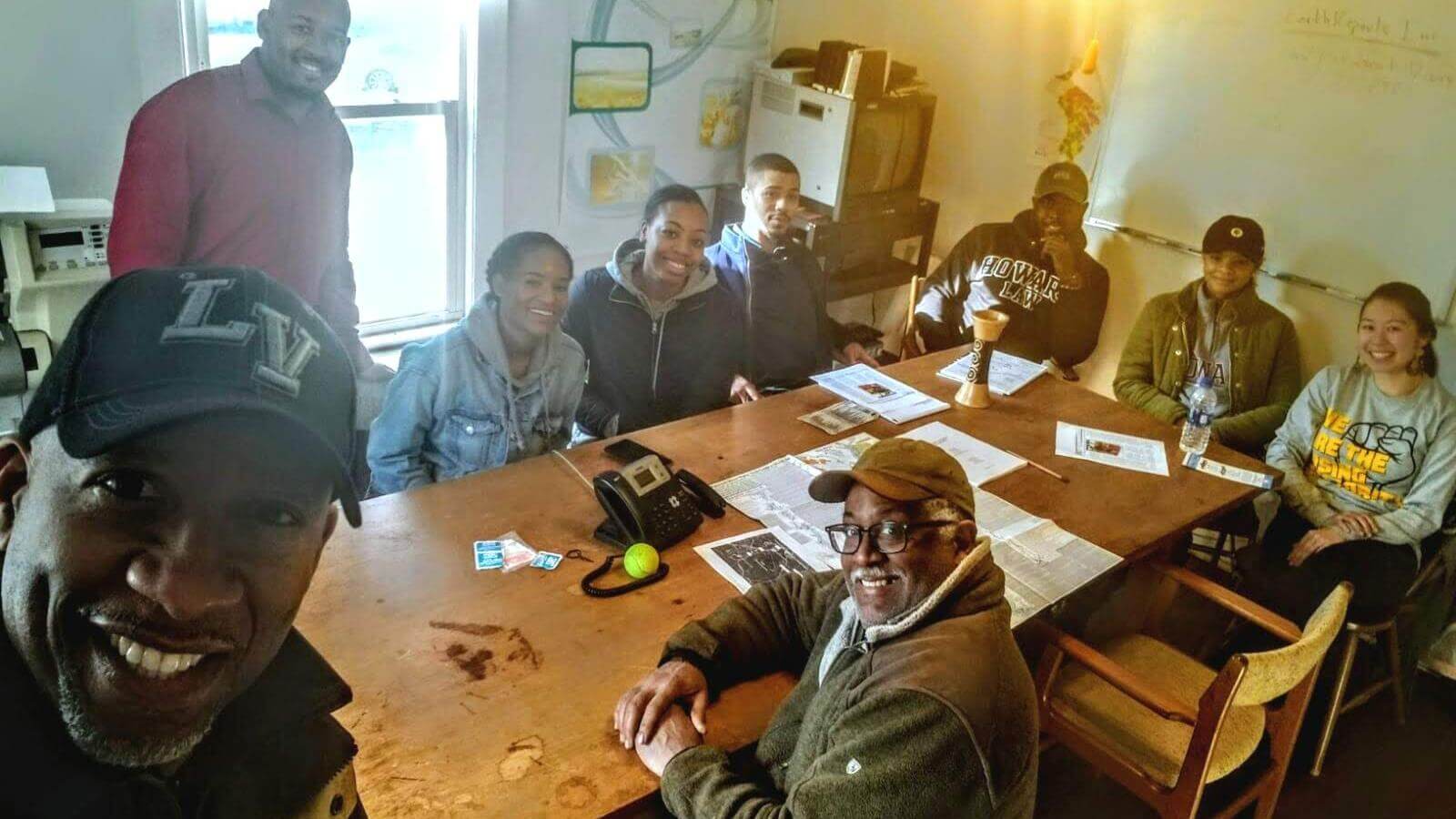
Current Projects and Programs
Fifty State Lead Scorecard Project
A comprehensive national assessment of state-level policies on lead poisoning prevention.
Citizen Suit Research Project
A report educating citizens on how federal courts rule on citizen suits for 8 environmental laws.
Brown Grove Community Support
We provide on-going community support to communities in the Brown Grove Rural Historic District to address environmental concerns ranging from landfill expansions to air pollution and quality.
Carbon Capture and Storage Project
We conduct research on current carbon capture and storage (CCS) technologies, issues concerning community proximity, and potential health risks associated with CCS.
Fifty State Climate Adaptation and Resilience Law Project
We examine the state laws, policies, programs, governance structures, and resources that states use to support climate adaptation and resilience, particularly in preparing for the weather events that most affect them.
Environmental Justice Center Research and Advocacy Course
About the Fifty State Lead Scorecard Project
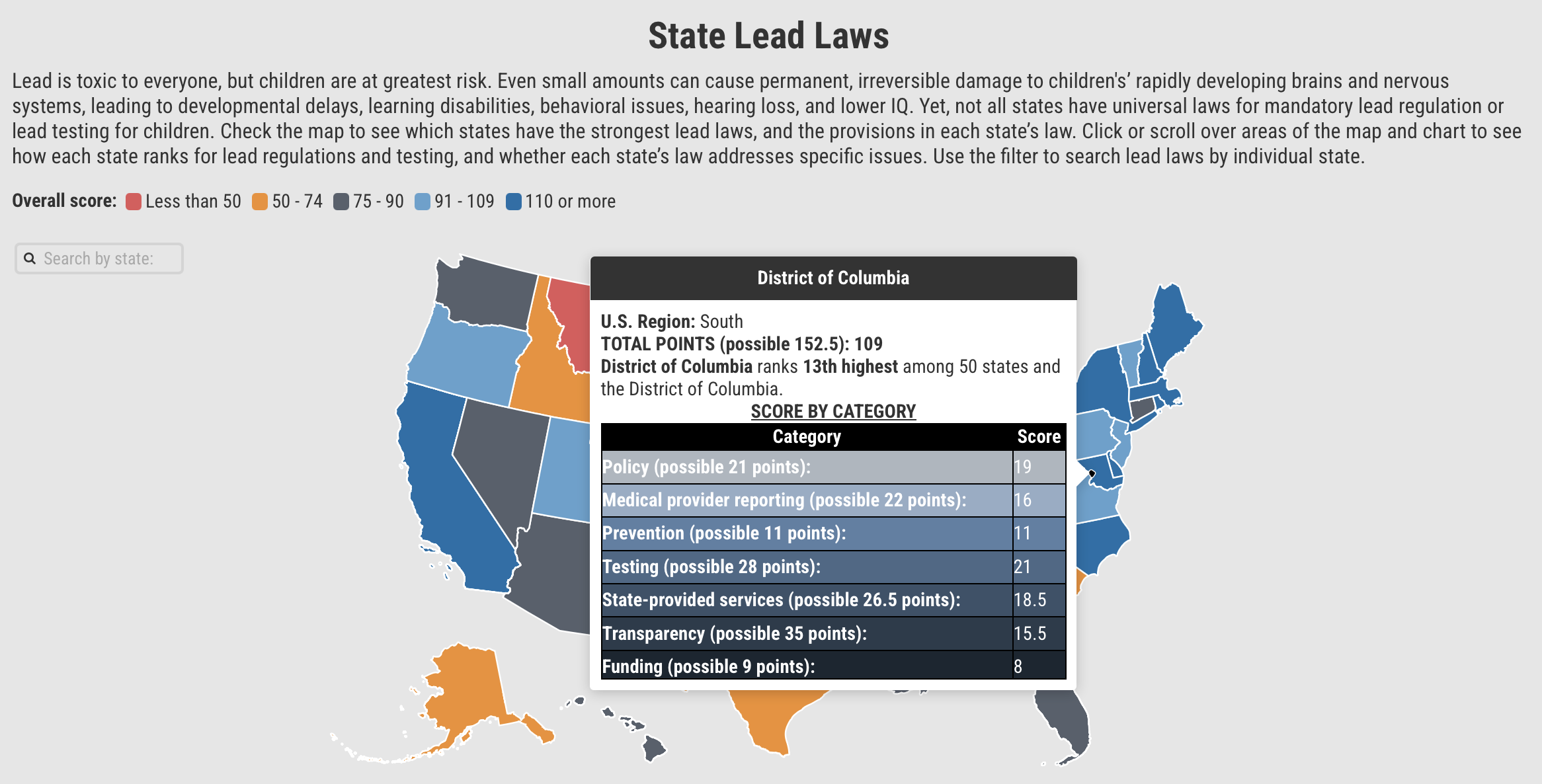
The Center released the Fifty State Lead Scorecard Project, a comprehensive national assessment of state-level policies on lead poisoning prevention.
Spearheaded by Professor Carlton Waterhouse and developed in partnership with Howard Law students in the Environmental Justice Research and Advocacy Course, the Fifty State Lead Scorecard Project provides an accessible overview of how each state works to safeguard its residents from the dangers of lead exposure.
With the goal of equipping the public with information about their state’s lead prevention policies and how they compare nationwide, the Fifty State Lead Scorecard Project’s Executive Report and national dashboard is available online at https://law.howard.edu/lead-scorecard-project
Partnerships and Collaborations
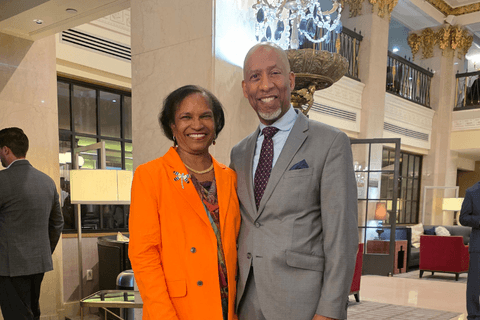
Thriving in These Times: A Leadership Series with Brenda Mallory
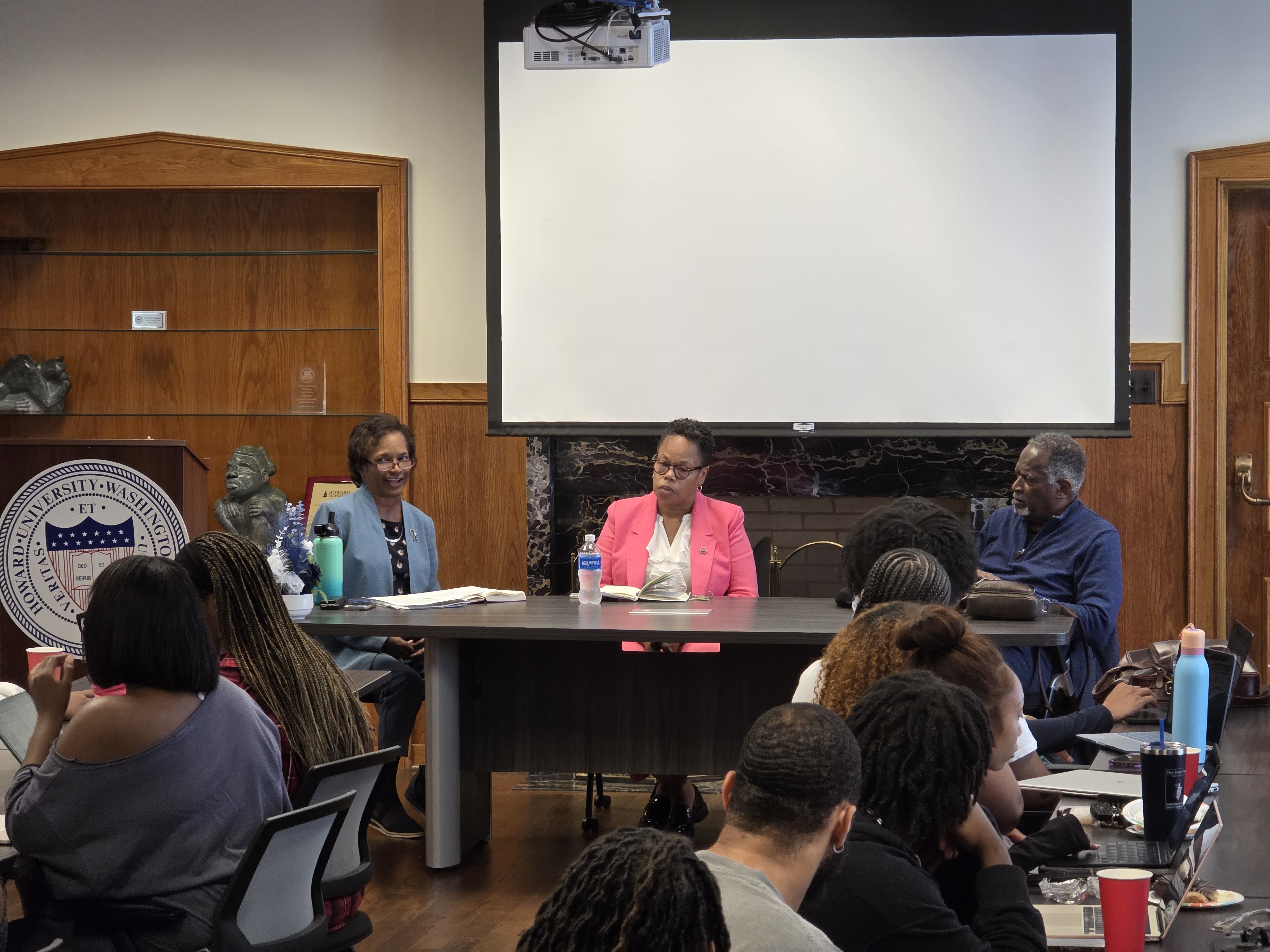
Center Spotlight | Thriving in These Times: A Leadership Series with Brenda Mallory
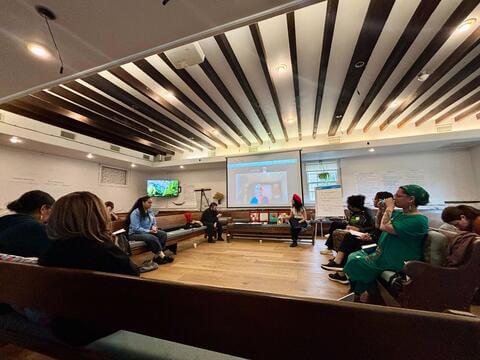
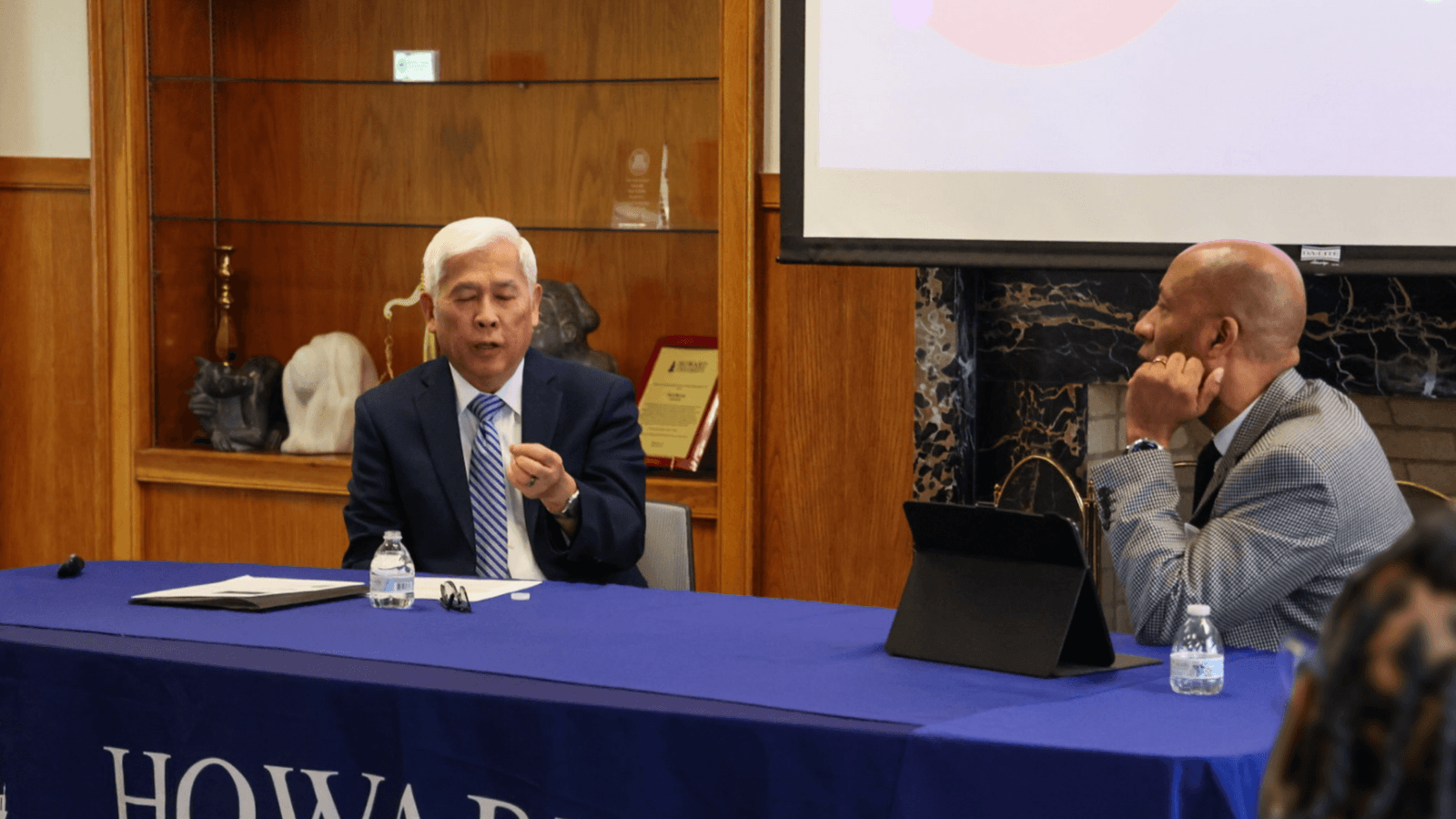
Thriving in These Times served as a university-wide development series focused on building leadership & resilience skills in an era of uncertainty. Experts working across disciplines to improve the lives of people drew on their personal and professional journeys to offer practical insights and honest conversations with the Howard community on how to continue making progress and thrive in the moment.
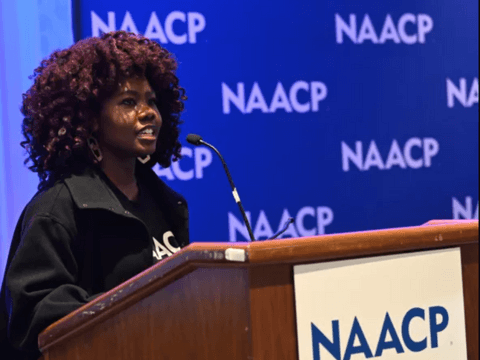
This leadership series is led by and features Brenda Mallory, former chair of the White House Council on Environmental Quality. As an environmental and natural resources law/policy expert, Brenda Mallory's leadership focuses on improving the lives of people through law and policy. She is a federal executive, board and governance leader, collaborator, mentor, and advisor.
In Spring 2026, the series held 3 leadership development events with support from the Natural Resources Defense Council, convening 8 environmental leaders and 80+ attendees. Guest leaders throughout the series have included Vernice Miller Travis, Executive Vice President at Metropolitan Group and Co-Founder for WE ACT for Environmental Justice; Ben Wilson, retired Chairman of the Board at Beverage & Diamond; Dimple Chaudhary, former Acting General Council at the U.S. Environmental Protection Agency; Gwen R. Keyes, Partner at DLA Piper and Co-Chair of the the Environmental Practice Group; Dr. Wylin D. Wilson, Assistant Professor of Theological Ethics at the Duke Divinity School; Dr. Riggins R. Earl, Jr, Professor of Ethics and Theology at the Interdenominational Theological Center of the Atlanta University Center; and Lisa A. Crooms-Robinson, Professor of Law at Howard University School of Law.
Who We Are
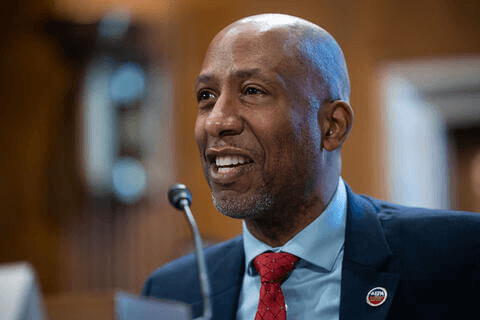
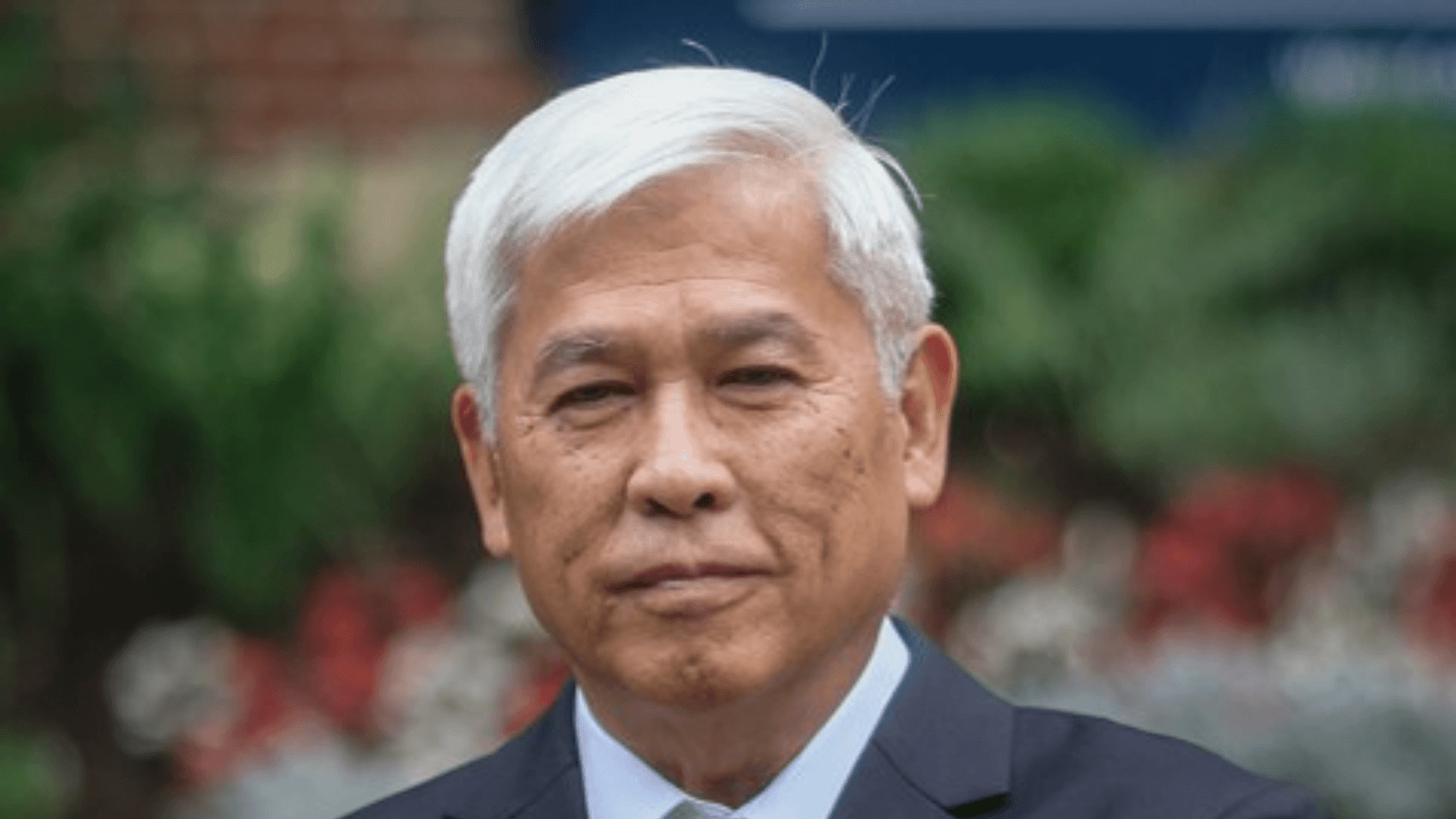
Lemir Teron
Faculty Associate
Charles Lee
Visiting Lecturer
Kim Jones Snipe
Affiliate Researcher

Summer Ford
Environmental Justice Fellow
Diana Nguyen
Program Assistant
Contact Us
Email: HUTM-ecjc@howard.edu
Upcoming Events and Announcements
Appointments are available with the Collaborative Clinic for Non-Profit Viability
A growing array of legal and political threats to environmental justice and indigenous organizations jeopardize their non-profit status, hinder their vital work, and continue to seriously erode their federal and philanthropic support.
At no cost, the Collaborative Clinic for Nonprofit Viability (CCNV) will help you identify and address compliance gaps, vulnerabilities, and potential governance issues that may endanger your 501(c)(3) status or your ability to operate as a charity under state laws. Students at Yale and Howard University law schools, with attorney supervision, will conduct a “Health Check” by walking you through a series of questions designed to ensure you have the necessary policies and practices in place to meet regulatory requirements of federal agencies like the IRS and state agencies that oversee charities. Some of the topics covered in this “Health Check” are time and record keeping practices related to lobbying; activities in election years; filing of tax returns; charitable solicitations; and financial controls.
Environmental justice and indigenous nonprofit organizations should submit requests for assistance via email. CCNV will then reach out to confirm current availability and schedule an appointment for an initial consultation. Please read this One Page Explanation of CCNV for further information.
Applications are open for the Fall 2026 Collaborative Clinic for Non-Profit Viability Externship program.
The Yale Center for Environmental Justice invites applications from Howard University School of Law for the Collaborative Clinic for Nonprofit Viability (CCNV) Externship program. CCNV works with law firms, non-governmental organizations (NGOs), and law schools to protect the viability of grassroots Environmental Justice (EJ) and Indigenous nonprofits in the face of increasing legal and political threats to their existence.
Under the supervision of a senior attorney, students in the CCNV Externship program will join the Yale and Howard CCNV teams working on a wide spectrum of organizational legal challenges and connect EJ and Indigenous nonprofits to legal and other resources. Students will be exposed to the intersection of nonprofit law, transactional law, and social justice.
This is a paid externship requiring a combination of remote and Washington, DC in-person work. Click here for the full job description and information for how to apply.